
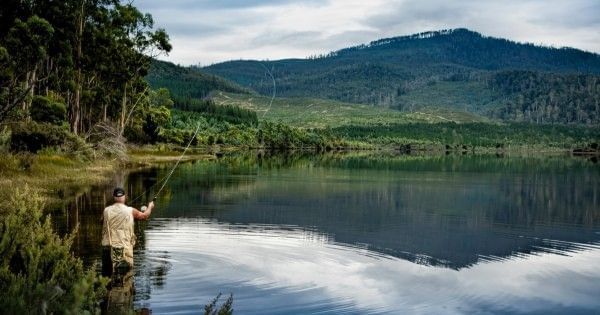
Launceston is widely regarded as one of Tasmania’s most rewarding fishing destinations. Sitting at the junction of the North Esk, South Esk and Tamar River, the city offers easy access to freshwater, estuary and boat fishing, often just minutes from accommodation and amenities.
From wild brown trout in technical rivers to estuary species in the Tamar, Launceston fishing appeals to both experienced fishers and visitors looking to explore Tasmania’s diverse waterways.
This guide covers the main types of fishing around Launceston, the best seasons to plan your trip, and practical tips to help you fish confidently while you’re here.
Why Launceston Is a World-Class Fishing Destination

Launceston is surrounded by rivers, creeks and lakes known for healthy wild trout populations. Combined with the tidal Tamar River, it’s possible to move between freshwater and estuary fishing without long travel times.
What sets fishing in Launceston apart is its convenience and variety. Well-established access points, clear regulations and a strong local fishing culture make the area approachable while still rewarding skill and patience. Visitors can fish a river session in the morning, explore the Tamar estuary later in the day, and still be back in town for dinner.
For visitors wondering whether Launceston is worth travelling to for fishing, the mix of species, seasons and easily accessible waters makes it one of Tasmania’s most reliable fishing hubs. Add excellent food, wine and comfortable accommodation, and it’s an ideal destination for a fishing trip.
Types of Fishing in and Around Launceston
River and Freshwater Fishing (The Trout Triangle)
Freshwater fishing is what Launceston is best known for, particularly wild brown trout, with the region home to one of the purest strains of wild brown trout in the world.
North Esk River
Flowing through Launceston’s eastern suburbs, the North Esk is a smaller freestone river suitable for wading. It’s best in warmer months, particularly late summer, when grasshopper activity can trigger surface feeding.
South Esk River
Tasmania’s longest river, the South Esk offers classic lowland trout water. Stretches downstream from Avoca and Hadspen are especially popular in spring, when mayfly hatches bring trout to the surface.
Brumbys Creek
Around 30 minutes from Launceston, Brumbys Creek is a dam-fed section of river that stays cooler through summer. It’s a reliable option when other rivers warm up and remains popular with local anglers.
Four Springs Lake
A managed fishery near Launceston, Four Springs Lake is known for consistent trout fishing and larger fish. It suits both fly and lure fishing and is popular throughout the open season.
Estuary Fishing on the Tamar River
The Tamar River is a tidal estuary, creating a productive mix of fresh and salt water that supports a wide range of species.
Shore-Based Estuary Fishing
Pontoons and shoreline access at locations such as Deviot, Gravelly Beach and Rosevears are popular with locals. These areas commonly produce flathead and Australian salmon, particularly around tide changes.
Sea-Run Trout
In early spring, sea-run brown trout enter the Tamar River to feed on baitfish. This style of fishing suits experienced lure and fly fishers who are prepared to spend time reading tides and conditions.
Boat Fishing on the Tamar River
For fishers with access to a boat, the Tamar River opens up a wider range of fishing opportunities.
Shallow water fishing on the Tamar
While the Tamar River has deep channels, many of the best fishing areas are found in relatively shallow water. Boaters can access sandy flats and edges that are difficult to reach from shore, and enjoy fishing plenty of Southern Sand Flathead and King George Whiting.
Boat Access Points
Popular ramps include Trevallyn (Tailrace) and Gravelly Beach, offering access to the upper and middle reaches of the river.
Fly Fishing in Launceston and Northern Tasmania
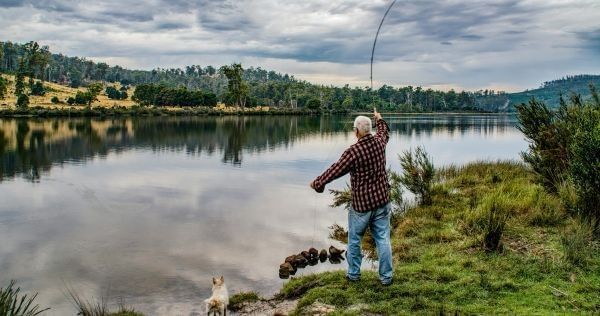
Launceston is well regarded internationally for fly fishing, with a mix of technical rivers and advanced conditions.
Mayfly Hatches
From spring through summer, mayfly hatches drive some of the region’s best fly fishing. Trout can become highly selective, rewarding careful presentation and patience.
Macquarie River
Located south of Launceston, the Macquarie River is a slow-flowing meadow stream known for technical fishing during peak hatch periods.
Sight fishing in local rivers and lakes
On calm days, shallow margins of nearby rivers and lakes allow for sight fishing, particularly when using polarised sunglasses to spot fish moving through the shallows.
Best Fishing Seasons in Launceston
Fishing in Launceston follows a clear seasonal pattern:
- Spring (September–November): Prime trout fishing with rising temperatures and insect activity
- Summer (December–February): Early mornings and evenings are best; estuary fishing becomes more productive
- Autumn (March–May): Stable conditions before winter closures
- Winter (June–August): Limited inland fishing, with estuary opportunities still available
Seasonal closures apply to many freshwater fisheries, so checking current dates before travelling is essential.
Gear, Lures and Bait That Work Locally
Having the right gear makes a noticeable difference when fishing around Launceston. Local tackle stores can offer advice based on current conditions, and basic gear hire is available for visitors without equipment.
Freshwater Fishing Gear
- Tasmanian-made lures designed for local rivers are widely used
- Natural baits such as worms and mudeyes can be effective where permitted
Estuary Fishing Gear
- Soft plastics and metal lures are commonly used for flathead and salmon
- Frozen prawns and bluebait are popular from pontoons and shorelines
Local Bait, Tackle and Fishing Gear Shops
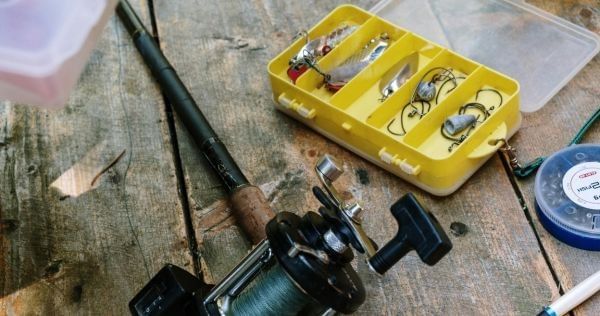
Launceston has several well-regarded fishing retailers offering gear, advice and local knowledge:
- Essential Flyfisher – Fly fishing specialists
- Tamar Marine – Boating and fishing equipment
- BCF or Anaconda Launceston– General fishing and outdoor gear
Rules, Licences and Local Fishing Regulations
Fishing Licences Explained
A licence is required for inland freshwater fishing in Tasmania. Estuary and sea fishing generally do not require a permit for standard rod-and-line fishing, though some species require additional permits.
Restricted Zones and Local “Flags”
Parts of the Tamar River are protected, including shark refuge areas. Signage and official apps identify restricted zones.
Size, Bag Limits and Protected Species
Limits vary by species and waterway. Some native species are fully protected and must be released immediately. Always check official sources, as regulations can change.
Essential Fishing Apps and Resources
InFish App
The InFish App provides access maps, river flow data, stocking information and water-specific rules, making it easier to plan trout fishing around Launceston with confidence.
Fishing Tas App
The Fishing Tas App shows boundaries, bag and size limits, restricted zones and species information, with maps that work offline.
Practical tips for fishing in Launceston

Check Conditions Regularly
River levels, tides and weather can change quickly around Launceston. Checking conditions daily helps you choose the right water and improves both safety and success.
Respect Local Practices
Catch and release is common on many rivers, particularly during warmer months and low flows. Handling fish carefully and returning them quickly helps protect local fisheries.
Know where access is permitted
Not all riverbanks and estuary edges allow public access. Look for signed entry points and use fishing apps to avoid private land or restricted areas.
Where to Stay in Launceston

Staying centrally makes it easier to reach rivers, the Tamar estuary and nearby fishing locations without long drives.
Hotel Grand Chancellor Launceston offers comfortable accommodation close to the city centre, with easy access to key fishing routes. In-house dining including a buffet breakfast adds convenience to your stay. With a variety of room configurations to suit your trip, it’s a practical base for visitors balancing early starts on the water with relaxed evenings in town.
Is Launceston Worth Travelling for Fishing?
With easy access to rivers, estuary waters and world-renowned trout fisheries, Launceston offers some of the best fish experiences in Tasmania. Freshwater and estuary fishing opportunities sit close to the city, making it easy to plan flexible days.
Whether you’re planning a dedicated fishing trip or adding time on the water to a broader visit, Launceston provides reliable fishing, well-established access points and a welcoming base to explore Tasmania’s fishing culture.