

Credit: Visit Zealandia by Emir de Souza.
Just ten minutes from Wellington’s city centre lies a place that feels a world away: a valley alive with birdsong, towering native forest and creatures that have vanished from much of New Zealand. This is Zealandia Te Māra a Tāne, the world’s first fully-fenced urban ecosanctuary.
Born from an ambitious idea in the 1990s, Zealandia set out to return a city valley to its pre-human state. A 225-hectare sanctuary ringed by a predator-proof fence now shelters more than 40 rare species of native wildlife, including kākā, tuatara, and tīek.
For families, couples, and eco-conscious travellers, Zealandia is both easy and enriching. Whether you’re joining a Zealandia night tour or setting out early to catch the first birdsong, here’s what you can come to expect.
In this Blog
- Zealandia by Day: The Wild Heart of Wellington
- Zealandia Night Tours: Meet the Kiwi After Dark
- What to Know for an Easy Visit
- Getting to Zealandia from the CBD
- Why Zealandia Wellington Belongs on Every Itinerary
Zealandia by Day: The Wild Heart of Wellington
By day, Zealandia feels like a living museum of native life, open to anyone curious enough to wander. Mornings are alive with the sound of tūī and kākāriki as the forest wakes; afternoons are calmer and great for families with younger children.
If it’s your first time visiting, set aside at least a couple of hours to wander the trails and soak up the sounds of the valley. But if you’ve got the time, spend half a day here: it’s well worth it. And, if you can, come by day and by night: they’re two completely different worlds.
Easy Tracks and Lookouts for Every Visitor
Credit: @visit_zealandia by Johnny Hendrikus
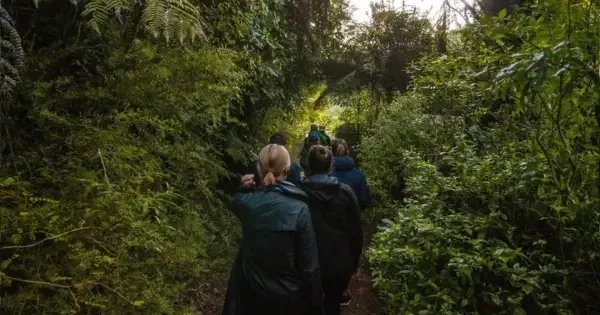
Zealandia offers walking trails for every pace. Families and casual strollers can follow the Lake Road Loop, an easy, pram-friendly path that hugs the lower lake and passes through native bush teeming with tūī and kākāriki.
For those with more time, the Tuatara Trail and Faultline Track climb into the upper valley, where views over the forest canopy make the gentle effort worthwhile.
Accessibility is a strong point here. The lower valley’s main routes are suitable for wheelchairs and prams, and mobility scooters are available on request. Clear signage, resting spots and benches make it welcoming for visitors of all ages and abilities.
Birds to Listen For and Where to Spot Them
Credit: @visit_zealandia by Zac Painting
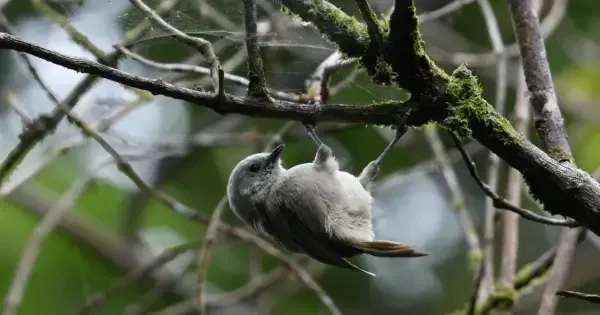
One of the joys of Zealandia is tuning into the soundscape. You’ll hear the liquid notes of bellbirds and the chatter of kākā overhead. Look for flashes of emerald from kākāriki darting between branches, or spot a sun-bathing tuatara on a warm rock near the tracks.
If you’re patient and quiet, you might see takahē grazing near the wetlands. Once thought extinct, they’re one of Zealandia’s great comeback stories. Kids will love ticking off sightings on the free bird-spotting sheets available at the visitor centre.
Take your time. Stop often. The magic here isn’t about rushing from one sight to the next, but about noticing the way light filters through fern fronds or how a pīwakawaka (fantail) flits just ahead of you on the path.
Zealandia Night Tours: Meet the Kiwi After Dark
As daylight fades, the sanctuary transforms. The air cools, torches flicker to life, and the forest hums with nocturnal energy. Zealandia’s guided night tours are among Wellington’s most unforgettable experiences. It’s a chance to see New Zealand’s rare wildlife as it really lives.
What Happens on a Night Tour (and How to Book Ahead)
Small groups set off with expert guides, who lead visitors deep into the valley under starlight. The goal? To glimpse the little spotted kiwi, New Zealand’s shy national icon. With luck (and a bit of patience), you’ll see one shuffling through leaf litter in search of insects.
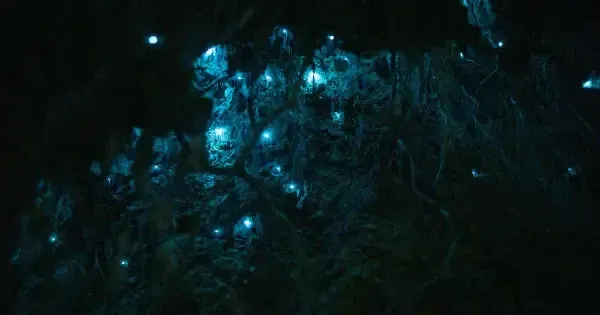
But the kiwi is only part of the story. You might also spot tuatara emerging from burrows, wētā clinging to tree trunks, and glow-worms twinkling near the tracks. The guides’ stories add depth and context, revealing how Zealandia’s restoration has brought these species back to safety.
Night tours often sell out, especially on weekends and holidays, so it’s best to book in advance. Tours run year-round, with start times shifting slightly through the seasons.
Staying Warm and Comfy: Layers, Torches and Pacing
Even in summer, Wellington evenings can be cool, especially in the valley. Dress in warm layers, wear comfortable, sturdy shoes, and bring a light waterproof jacket. Torches are provided, but if you bring your own, use a red light setting to protect the animals’ night vision.
The tours are leisurely paced, suitable for most ages and fitness levels, and last about two hours.
Glow-worms and Other Nocturnal Moments
Credit: Photo by Luca Calderone
Perhaps the most enchanting moment comes when your guide asks everyone to switch off their torches. The forest falls into silence, and pinpricks of blue light appear: the glow-worms’ delicate illumination reflected in the lake. For families, it’s pure magic; for couples, quietly romantic.
What to Know for an Easy Visit
A little preparation makes Zealandia even more enjoyable.
Day Kit vs Night Kit
During the day, wear comfortable walking shoes, bring a reusable water bottle, hat, and sunscreen. Even on mild days, Wellington’s UV can be strong. For night tours, add warm layers, gloves, and maybe a small backpack for snacks or spare clothing.
Cameras and Etiquette
Photography is welcome, but flash isn’t. Wildlife here is protected and easily startled, so the rule of thumb is simple: quiet steps, soft voices, and no sudden light. If you’re bringing kids, make it a game to see who can walk most quietly: they’ll love it.
Booking Early and Weather-Wise Planning
Tours run in almost any weather, and a light raincoat is always a smart addition. Because tours are small and often sell out, it’s best to book your Zealandia night tour in advance, especially during weekends and holidays.
In winter, earlier nightfall means tours start sooner, leaving you plenty of time for a cosy dinner back at the hotel afterwards.
Getting to Zealandia from the CBD
Reaching Zealandia is refreshingly simple. There’s no long drives or logistics needed.
From Wellington’s city centre, it’s about a 10-minute drive or 15-minute bus ride. The Number 21 Karori Bus stops near the sanctuary entrance, or you can take the Cable Car to Kelburn and walk down through the Botanic Garden (about 20 minutes).
If you’re driving, there’s free parking at the visitor centre. Look for the distinctive Zealandia sign at the end of Waiapu Road, just past the Karori Tunnel: the entrance is clearly marked.
Taxis, rideshares and e-scooters are easy options too.
Why Zealandia Wellington Belongs on Every Itinerary
Zealandia Wellington isn’t just another attraction: it’s a living vision of what New Zealand’s natural world can become when we choose to protect it. Few cities in the world can claim a wildlife sanctuary of this scale within walking distance of downtown.
For families, it’s an adventure that sparks curiosity and care for the environment. For couples, it’s an unforgettable experience shared under the stars. And for anyone staying in Wellington, it’s a chance to see conservation in action, just minutes from the city’s cultural heart.
Book Your Stay at James Cook Hotel Grand Chancellor, and Make a Real Difference
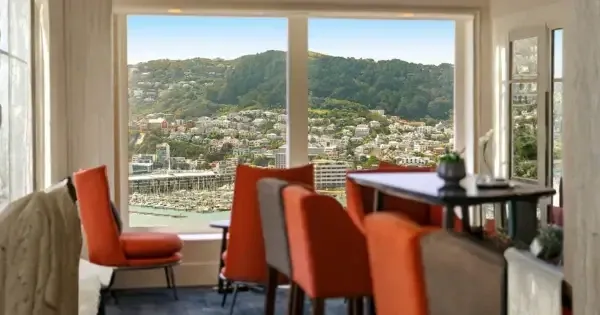
Guests of James Cook Hotel Grand Chancellor enjoy the perfect base for a Zealandia adventure. From here, Zealandia is roughly a 10-minute drive or a short ride by bus or taxi. The friendly reception staff can help plan your visit, check weather conditions, and even assist with tour bookings.
But more than that, when you book your stay directly through the James Cook Hotel Grand Chancellor’s website, $2 from every room night is donated to Zealandia, helping fund wildlife care and conservation projects.
It’s a simple but meaningful way to make your Wellington stay part of a bigger story, one that restores and protects the natural world right on the city’s doorstep.
Book your stay now and make every night count.